5 Signs Your Oriental Rug Needs Professional Care
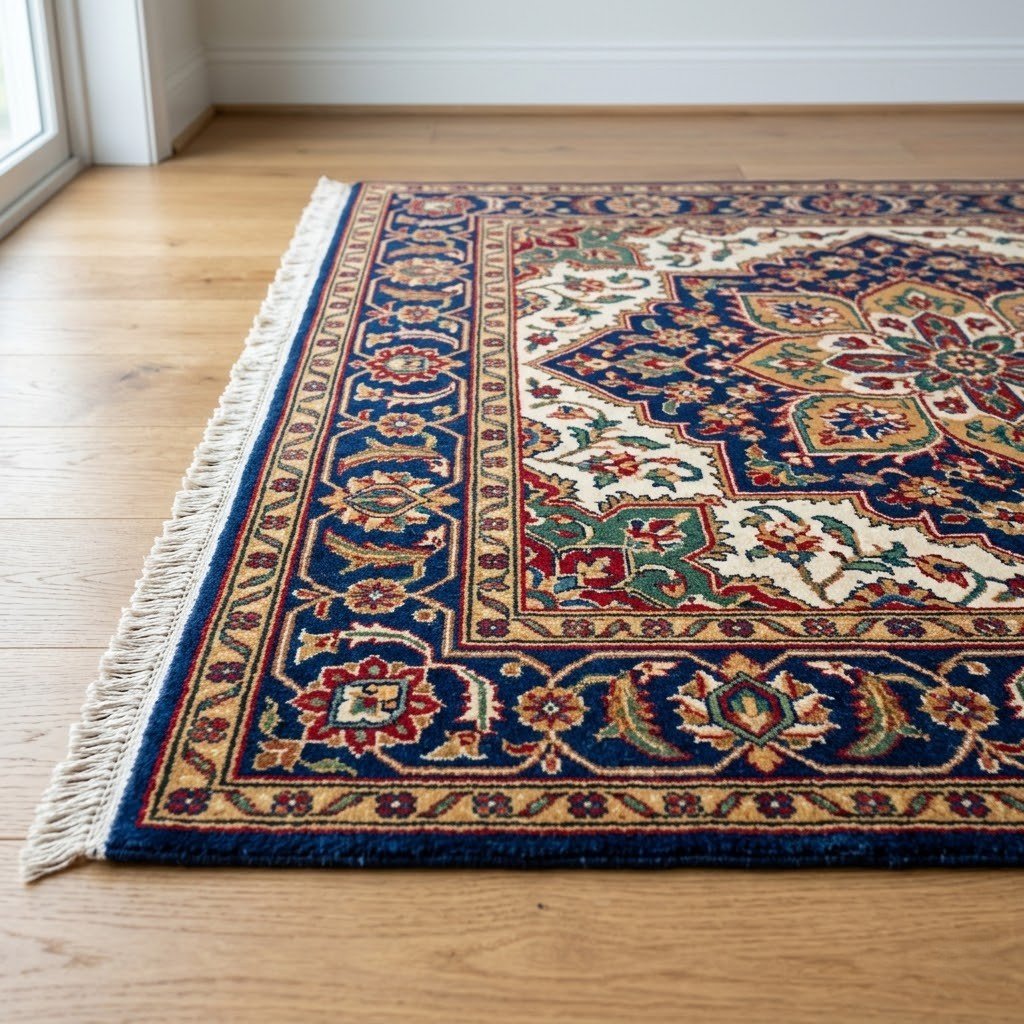
Oriental and Persian rugs are more than just floor coverings; they are intricate works of art, often carrying significant financial and sentimental value. Unlike mass-produced synthetic carpets, these hand-knotted masterpieces are made from natural fibers like silk, wool, and cotton, colored with organic dyes. Because of their unique construction, they require a specialized touch that goes beyond the capabilities of a standard vacuum or a DIY steam cleaner.
At Absolute Cleaning, we’ve seen countless heirloom rugs damaged by neglect or improper cleaning methods. To help you protect your investment, we’ve outlined the five critical signs that it’s time to call in the professionals.
1. The “Dust Cloud” Effect
The most common threat to an Oriental rug isn’t a spill—it’s dry soil. Because these rugs have a dense, hand-knotted pile, dirt doesn’t just sit on top; it sinks deep into the foundation. Over time, these microscopic particles of sand and grit act like tiny sandpaper disks. Every time you walk across the rug, these particles grind against the delicate wool or silk fibers, eventually cutting them at the base.
The Test: Lift a corner of your rug and give the back a firm tap. If a cloud of fine dust or “flour-like” powder falls out, your rug is saturated with dry soil. A standard household vacuum lacks the suction power to reach this deep-seated grit. Professional “dusting” (a process of mechanical vibration and air flow) is the only way to remove this abrasive material before it causes permanent fiber loss.
2. Fiber Stiffness and Texture Changes
A healthy Oriental rug should feel supple and soft to the touch. If you notice that the fibers feel “crunchy,” stiff, or oily, it’s a sign of atmospheric pollution and protein buildup. In a home environment, rugs act as giant air filters, trapping cooking oils, smoke, pet dander, and pollen.
When these contaminants bond with the natural lanolin in wool, they create a sticky residue that attracts even more dirt. If left untreated, the fibers become brittle and prone to breaking. Our professional immersion washing process uses pH-balanced solutions specifically designed to break down these oils without stripping the natural moisture from the wool.
3. Faded Colors and “Muting”
Many homeowners assume their rug is simply “aging” or “fading from sunlight” when they notice the colors looking dull. While UV damage is real, more often than not, the vibrancy is simply buried under a layer of “traffic film.”
Natural dyes have a luster that synthetic dyes can’t match, but that luster is easily obscured by a fine layer of household grime. A professional deep clean involves a controlled fringe-to-fringe wash that lifts this film, often revealing colors so bright that owners think the rug has been replaced. If the intricate patterns of your rug are starting to look blurry or muted, it’s time for a restoration wash.
4. Lingering Odors and Pet “Accidents”
Natural fibers are highly porous. They absorb odors from the environment—everything from Friday night’s dinner to the humidity of a basement. However, the most damaging odor comes from pet urine.
Pet accidents are acidic when they happen but turn alkaline as they dry. This chemical shift can cause “color bleeding” (where the dyes run into each other) and, more importantly, it can damage the internal cotton warp and weft of the rug, leading to what we call “dry rot.” Household sprays only mask the scent; they don’t remove the uric acid crystals. Professional decontamination involves a total submersion soak that neutralizes these crystals at the molecular level, saving the rug’s structural integrity.
5. Visible Wear on the Fringe and Edges
The fringe of an Oriental rug is actually the foundation of the rug itself—the ends of the warp strings. When the fringe starts to look grey, tangled, or “shaved” down, the rug is literally beginning to unravel.
Most people make the mistake of vacuuming the fringe with a beater bar, which tears the fibers. If your fringe looks ragged or if the “overcasting” (the stitching on the long sides of the rug) is coming loose, you need a professional. Beyond cleaning, we provide specialized repairs to secure these edges, ensuring that a small tear doesn’t turn into a total loss of the rug’s value.